Proper posture suppo
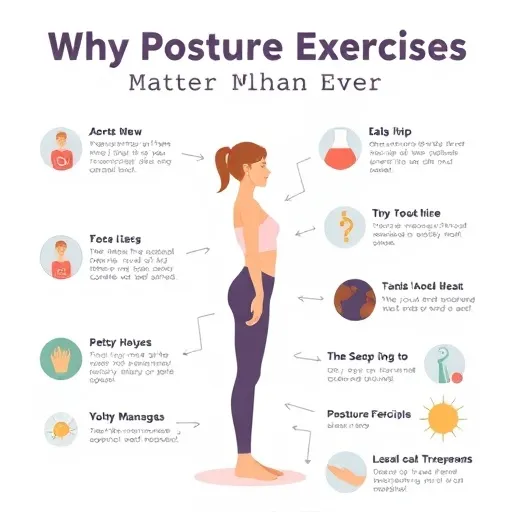
Why Posture Exercises Matter More Than Ever
Let's be honest about posture for a second — it's not just about looking good in photos. Your alignment shapes how your muscles, joints, and even your breathing work all day long. When your body spends hours stuck in awkward spots — rounded shoulders, forward head, tucked pelvis — some muscles get tight while others go weak. Over time, that imbalance leads to stiffness, aches, and reduced mobility. That's why smart posture exercises deserve a permanent spot in your weekly routine.
Movement pros keep pointing out that modern life is basically built to wreck our alignment. Remote work, binge-watching, long commutes, and endless screen time all shove the body into positions it was never meant to hold for hours. That's exactly why a steady practice of posture exercises has become a go-to recommendation from physiotherapists and movement specialists alike.
Here's the encouraging part: research and clinical experience keep showing that the body bounces back fast with consistent training. You don't need to overhaul your life overnight. Small, regular doses of the right posture exercises can make a noticeable difference within weeks — no gym membership required.
Understanding the Two Sides of Alignment and Muscle Balance
Before jumping into specific moves, it helps to get one simple principle that underpins almost everything here: tight muscles need lengthening, and weak muscles need strengthening. Most posture issues come from a mix of both.
For example, if you've got rounded shoulders, your chest muscles are probably tight while your upper back muscles are weak and underactive. If your head drifts forward, your neck extensors may be overworked while your deep neck flexors are sluggish. Good posture exercises tackle both sides of that equation at once.
Common Postural Patterns and Spinal Curvature Issues to Know
- Forward head posture: The head drifts ahead of the shoulders, often from staring at screens.
- Rounded shoulders: The shoulders roll forward, shortening the chest and weakening the upper back.
- Anterior pelvic tilt: The pelvis tips forward, often linked to tight hip flexors and weak core muscles.
- Flat back or swayback: Variations in spinal curvature that affect how load travels through the body.
You don't need to diagnose yourself perfectly. A solid general posture exercises routine covers the major bases and helps you feel more balanced no matter your specific pattern.
The Best Posture Exercises for Mobility and Strength You Can Do Anywhere
Time for the practical stuff. These posture exercises are beginner-friendly, need little to no equipment, and work at home, at the office, or on the road. Aim for a few times per week, and ideally sprinkle shorter versions into your daily flow.
1. Chin Tucks (Deep Neck Flexor Activation): A foundational move for counteracting forward head posture. Sit or stand tall, then gently glide your chin straight back — imagine making a "double chin" without tilting your head down. Hold a few seconds, relax, repeat. It looks subtle, but it trains the deep muscles that support your neck.
2. Wall Angels: Stand with your back against a wall, feet a few inches away, and slide your arms up and down like snow angels — keeping your upper back, head, and arms in contact with the wall as much as possible. This one exposes mobility restrictions in the shoulders and upper back, and it's a fantastic warm-up before other posture exercises.
3. Chest Opener Stretch: Find a doorway, place your forearms on the frame with elbows at shoulder height, and gently step forward until you feel a stretch across your chest and the front of your shoulders. Hold 20–30 seconds. This directly addresses the tightness that pulls shoulders forward.
4. Band Pull-Aparts (or Towel Version): With a resistance band, hold it with both hands in front of you and pull it apart until it touches your chest, squeezing your shoulder blades together. No band? A rolled towel works too. This strengthens the muscles between and below your shoulder blades — key players in upright posture.
5. Glute Bridges: Lie on your back with knees bent, then press through your heels to lift your hips until your body forms a straight line from shoulders to knees. Squeeze your glutes at the top. This strengthens the posterior chain and helps counteract too much sitting.
6. Dead Bug: Lie on your back with arms up and knees bent at 90 degrees. Slowly extend one arm and the opposite leg toward the floor while keeping your lower back pressed down. This builds core stability, the quiet foundation of good posture.
7. Cat-Cow: On hands and knees, alternate between arching and rounding your spine with your breath. It's a gentle mobility exercise that keeps the spine moving and helps you tune into how your back feels.
8. Hip Flexor Stretch: Kneel in a half-lunge and gently shift your hips forward until you feel a stretch at the front of the rear hip. Tight hip flexors are super common among desk workers and can contribute to pelvic tilt and low back tension — making this one of the most valuable posture exercises for office workers.
How to Build a Posture Exercises Routine That Actually Sticks
Knowing the moves is one thing; doing them consistently is another. Here's a simple framework that works for most people:
- Frequency: Aim for 3–4 sessions per week, each lasting 15–20 minutes.
- Structure: Start with mobility work (chest opener, cat-cow, hip flexor stretch), then move into strengthening (chin tucks, wall angels, band pull-aparts, glute bridges, dead bug).
- Reps: Generally 2–3 sets of 8–12 reps for strengthening moves, and 20–30 second holds for stretches.
- Consistency over intensity: A short session you actually do beats a long one you skip.
Many movement specialists recommend "habit stacking" — attaching your posture exercises to something you already do, like your morning coffee or the end of your workday. A quick two-minute reset of chin tucks and shoulder squeezes after every hour of sitting can also do wonders for your alignment.
Everyday Ergonomics and Wellness Habits That Support Your Posture Exercises
Your routine is only part of the picture. How you hold yourself during the other 23 hours matters just as much. A few practical adjustments:
Set up your workspace thoughtfully. Raise your screen so the top is roughly at eye level, keep your feet flat on the floor, and support your lower back. Even a small cushion behind your lumbar spine can make a difference over a long workday. Basic ergonomics tweaks go a long way — no fortune required.
Take movement breaks. The best posture is a moving posture. Standing up, stretching, or walking for a couple of minutes every 30–60 minutes keeps tissues from stiffening. Set a reminder on your phone or use a timer.
Mind your phone habits. Holding your device at chest or eye level instead of looking down reduces strain on the neck. It feels awkward at first, but it's a habit worth building alongside your posture exercises.
Sleep supportively. A pillow that keeps your head and neck in a neutral line, and a mattress that supports your spine, can quietly improve how you feel each morning — and set you up for better alignment during the day.
What the Research and Experts Are Saying in 2026 About Posture Exercises
The conversation around posture has evolved big time. Rather than chasing a rigid "perfect" stance, professionals increasingly emphasize postural variability — the idea that changing positions frequently and building strength and mobility matters more than holding one idealized position all day. This is why modern posture exercises focus on dynamic movement rather than static holding.
Wearable technology and posture-tracking apps have matured too, offering gentle reminders and feedback. That said, experts caution against over-reliance on gadgets. The consensus remains that active training — strength, mobility, and awareness — is the most reliable path forward, and well-designed posture exercises sit right at the center of that approach.
Another notable trend is the growing integration of posture exercises into broader wellness routines, including breathwork and mindfulness. Because posture and breathing are deeply connected — slouched positions restrict the diaphragm — combining the two can boost both relaxation and alignment.
Common Posture Exercises Mistakes to Avoid for Better Spinal Health
- Forcing "perfect" posture: Rigidly holding an unnatural position can create new tension. Aim for balanced and comfortable, not stiff.
- Skipping strengthening: Stretching alone won't fix posture; you need to build the muscles that hold you upright.
- Doing too much too soon: Start gently, especially if you're new to posture exercises or have existing discomfort.
- Ignoring pain: If something hurts sharply or persistently, stop and consult a qualified professional such as a physiotherapist.
Sample Weekly Posture Exercises Plan for Mobility and Core Stability
Here's a simple template you can adapt:
- Monday: Mobility focus — chest opener, cat-cow, hip flexor stretch, wall angels (10 minutes).
- Wednesday: Strength focus — chin tucks, band pull-aparts, glute bridges, dead bug (15 minutes).
- Friday: Full routine — combine mobility and strength posture exercises (20 minutes).
- Daily: Two-minute reset breaks — chin tucks and shoulder squeezes every hour or two.
Adjust the volume based on how you feel. The goal is sustainable progress with your posture exercises, not perfection. And hey — if you caught yourself slouching while reading this, that's your cue. Chin tuck, shoulders back, deep breath. Your spine will thank you.