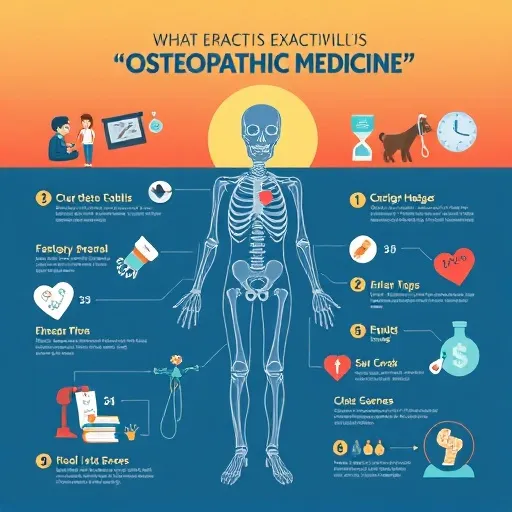
Whole body health in
What Exactly Is Osteopathic Medicine?
At its core, osteopathic medicine is a branch of healthcare built around one big idea: your body's systems are all connected. Practitioners who follow this philosophy are trained to look past isolated symptoms and think about how the musculoskeletal system, nervous system, circulation, and other bodily functions all influence one another. The guiding principle is simple but powerful—your body has an innate capacity to heal itself, and the physician's job is to remove whatever obstacles are standing in the way of that healing. That's the heart of osteopathic medicine, and it shapes everything from diagnosis to treatment planning.
Doctors of Osteopathic Medicine—usually just called DOs—go through the same rigorous medical training as other physicians, including residency programs and board certifications. But they also receive extra training in the musculoskeletal system. That additional focus means they can offer hands-on techniques alongside conventional treatments, giving patients a much broader toolkit for recovery and wellness. In 2026, osteopathic medicine is practiced in virtually every medical specialty you can imagine—from pediatrics and emergency medicine to sports rehabilitation and geriatric care. DOs aren't boxed into any single niche, and that versatility is a big part of what makes osteopathic medicine so appealing to both patients and practitioners.
How Osteopathic Medicine Differs From Conventional Medical Approaches
So what actually sets osteopathic medicine apart from other types of medical care? Here's the thing—the difference isn't in the science. It's in the philosophy and the scope of practice. Osteopathic medicine has always championed a whole-person approach, and that shows up in some pretty distinct ways.
A Whole-Person Philosophy Rooted in Holistic Health and Lifestyle Factors
Osteopathic practitioners are trained to view health through a holistic lens. Rather than asking only "Where does it hurt?" they also ask "What else is going on in your life that might be contributing to this?" Factors like posture, stress, sleep quality, nutrition, and even emotional well-being are all considered part of the clinical picture. This whole-person approach often leads to more personalized treatment plans that address root causes instead of just surface-level symptoms. It's one of the reasons osteopathic medicine resonates with people who feel like their concerns haven't been fully heard elsewhere.
Hands-On Diagnostic Techniques and Osteopathic Manipulative Treatment
One of the most distinctive features of osteopathic medicine is its use of osteopathic manipulative treatment, or OMT. This involves skilled, hands-on techniques—stretching, gentle pressure, and resistance—to diagnose and treat structural imbalances in the body. OMT is particularly useful for musculoskeletal complaints, but it's also used to support recovery in areas you might not expect, such as respiratory function, digestive health, and even post-surgical rehabilitation. It's important to note that OMT isn't a replacement for other medical interventions—it's a complementary tool that, when used alongside evidence-based practices, can enhance patient outcomes and improve overall comfort.
Prevention and Wellness Focus in Modern Osteopathic Medicine
Osteopathic medicine places a strong emphasis on preventive care. Practitioners work with patients to identify risk factors early and develop lifestyle strategies that support long-term health. This proactive mindset aligns well with the broader shift in 2026 toward value-based care, where the goal is keeping people healthy rather than simply treating illness after it develops. That wellness focus is baked into osteopathic medicine at every level of training.
Common Conditions Addressed Through Osteopathic Care and Manipulative Techniques
Because osteopathic medicine spans such a wide range of practice, the conditions it can help with are equally broad. Here are some of the most common areas where patients seek out osteopathic care:
- Musculoskeletal pain: Lower back pain, neck stiffness, joint discomfort, and repetitive strain injuries are among the most frequent reasons people consult osteopathic physicians.
- Headaches and migraines: Tension headaches and migraine patterns often respond well to hands-on techniques that address muscular tension and spinal alignment.
- Sports injuries and rehabilitation: Athletes and active individuals frequently benefit from osteopathic care to speed recovery and prevent future injuries.
- Respiratory conditions: Techniques that improve rib mobility and diaphragm function can support patients with asthma or chronic respiratory issues.
- Digestive complaints: Some patients find relief from bloating, constipation, and other digestive concerns through osteopathic manipulation and lifestyle guidance.
- Pregnancy-related discomfort: Osteopathic care is often sought by expectant mothers for relief from pelvic pain, lower back strain, and other pregnancy-related musculoskeletal challenges.
- Post-surgical recovery: Gentle manipulative techniques can help restore mobility and reduce discomfort during rehabilitation.
Of course, the specific approach always depends on the individual patient. A thorough assessment is the first step in any osteopathic treatment plan, and your practitioner will tailor recommendations to your unique situation.
What to Expect During an Osteopathic Consultation and Physical Examination
If you've never visited an osteopathic physician before, you might be curious about what the experience is actually like. While every practitioner has their own style, here's a general sense of what a first appointment might involve. Your first visit typically begins with an in-depth conversation about your health history, current concerns, lifestyle factors, and goals. Osteopathic physicians tend to spend more time on this conversational assessment than some other providers, because understanding the full context of your life is central to osteopathic medicine.
Next comes a physical examination that may include standard medical assessments as well as palpatory evaluation—using the hands to assess tissue texture, joint mobility, and areas of restriction. This hands-on diagnostic process is a hallmark of osteopathic practice and can reveal subtle imbalances that might not show up on imaging alone. Once the assessment is complete, your practitioner will discuss findings with you and propose a treatment plan. That plan might include OMT, lifestyle recommendations, exercises, ergonomic adjustments, or referrals to other specialists if needed. The emphasis is on collaboration—you're an active participant in your care, not a passive recipient. Osteopathic care often involves a series of visits to monitor progress and adjust the approach as needed, tracking changes in your symptoms, function, and overall well-being.
The Growing Role of Osteopathic Medicine in Modern Healthcare and Patient Demand
In 2026, osteopathic medicine continues to gain recognition and integration within the broader healthcare landscape. Patient demand for holistic care is one major driver—people are increasingly seeking providers who see them as whole individuals. The rise of patient-centered care models has created fertile ground for osteopathic philosophy, which has championed this approach for decades. Patients appreciate practitioners who listen carefully, consider lifestyle factors, and offer non-pharmacological options alongside conventional treatments.
Interprofessional collaboration is another factor. Osteopathic physicians are increasingly working alongside other healthcare professionals in multidisciplinary settings—whether in a sports medicine clinic, a primary care practice, or a rehabilitation center. Meanwhile, ongoing research continues to explore the mechanisms and outcomes of osteopathic manipulative treatment. The growing body of evidence supporting hands-on techniques is helping solidify osteopathic medicine's place in evidence-based practice. In 2026, more institutions than ever are investing in studies that examine how OMT affects pain perception, mobility, and overall function.
Is Osteopathic Medicine Right for You? Signs, Research, and Coverage Tips
Deciding whether to explore osteopathic care is a personal choice, and there's no one-size-fits-all answer. That said, here are a few signs you might benefit from consulting an osteopathic physician: you're dealing with chronic pain that hasn't responded well to other approaches; you prefer a treatment philosophy that considers your whole lifestyle, not just your symptoms; you're looking for non-invasive options to complement your existing care; you want a provider who takes time to listen; you're interested in preventive care and long-term wellness strategies; or you're recovering from an injury or surgery and want to optimize your rehabilitation.
If you're ready to explore osteopathic medicine, do your research—look for practitioners who are licensed and board-certified, and check their training and areas of focus. Ask questions during your first interaction about what a typical treatment plan looks like and what techniques the practitioner uses. And in 2026, insurance coverage for osteopathic services varies widely depending on your plan and location, so verify what's covered before your first appointment—some plans cover OMT as part of physical medicine benefits, while others may require pre-authorization. Be open and honest about your health history and lifestyle; the more information you share, the better your practitioner can tailor their approach. Remember, osteopathic care is a partnership.
Looking Ahead: The Future of Osteopathic Medicine and Digital Health Integration
As we move further into 2026 and beyond, osteopathic medicine is poised for continued growth and evolution. Telemedicine and wearable health technologies are creating new opportunities for osteopathic practitioners to monitor patients remotely and support self-management between visits. Funding for osteopathic research is increasing, which will deepen our understanding of how manipulative techniques interact with the body's systems and inform best practices. As healthcare systems shift toward value-based models, the preventive, whole-person philosophy of osteopathic medicine is likely to play an even larger role in primary care settings. And more collaborative training programs are emerging, bringing osteopathic physicians together with other healthcare professionals to improve patient outcomes.
The bottom line? Osteopathic medicine isn't just a trend—it's a well-established, evidence-informed approach that's helping people live healthier, more comfortable lives every day. Whether you're dealing with a specific health concern or simply want to explore a more holistic path to wellness, osteopathic medicine is worth considering. In a world where healthcare is becoming more personalized and patient-centered, that's something worth paying attention to—and osteopathic medicine is leading the charge.